

Hiring a local to keep an eye on your weekend house can give you peace of mind and keep small problems from becoming big headaches.
April 4, 2024
Ms. Young, a longtime resident of Cape Elizabeth, Maine, a leafy town on the state’s southern coast, is well acquainted with some part-timers who tend to be on the scene in June, July and August, when the weather is at its best. When they close up their homes on or around Labor Day at the end of their rookie season, they look ahead to next summer, natively unaware of the damage that could soon be wrought by strong winds (power outages!), prolonged cold (frozen pipes!) and cracks in the foundation (hi, mice!).
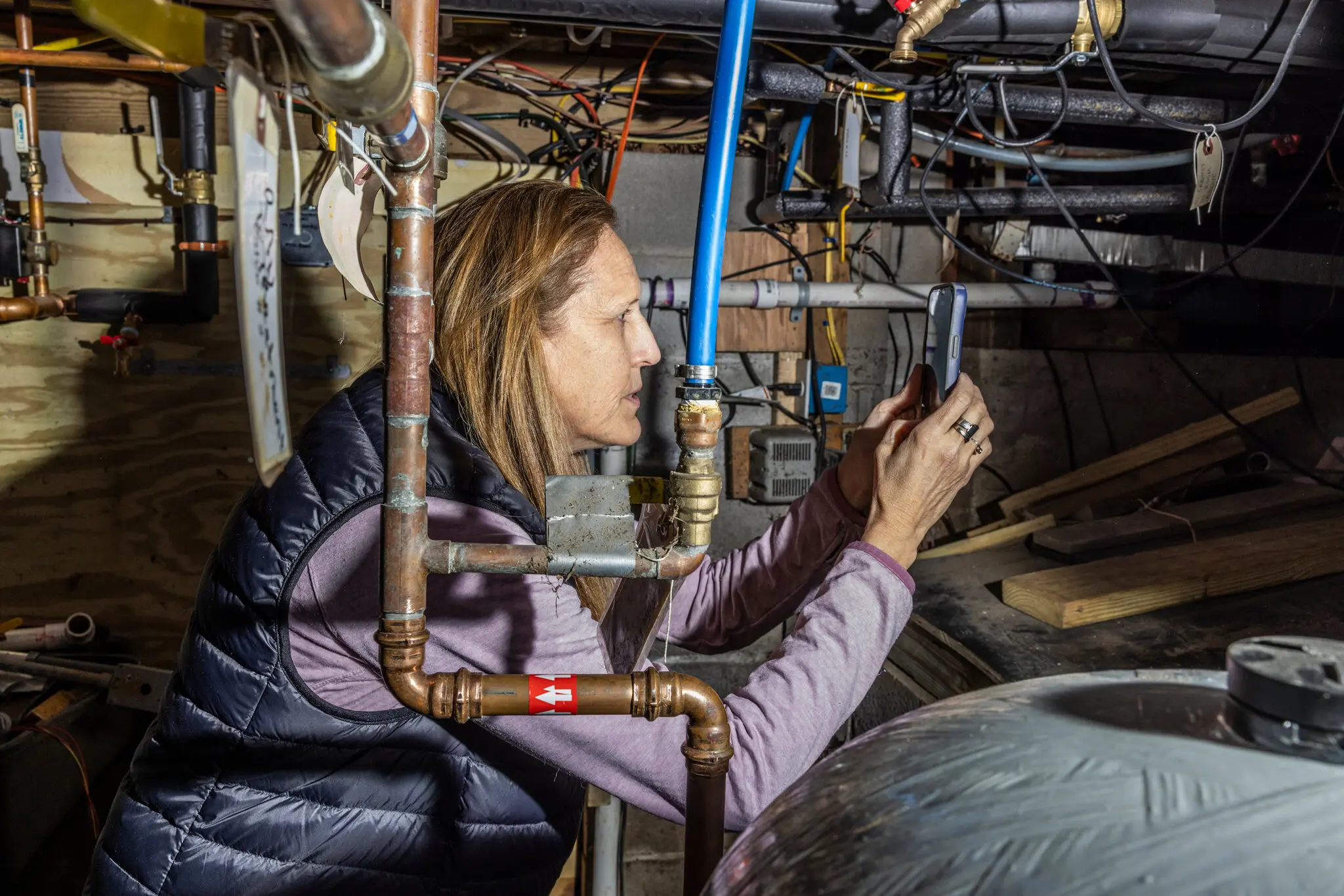
This is where Ms. Young comes in. She is a home watcher, though she prefers the term’home check person.’ “My husband and I have renovated two houses,” she said. “I know what to look for.”
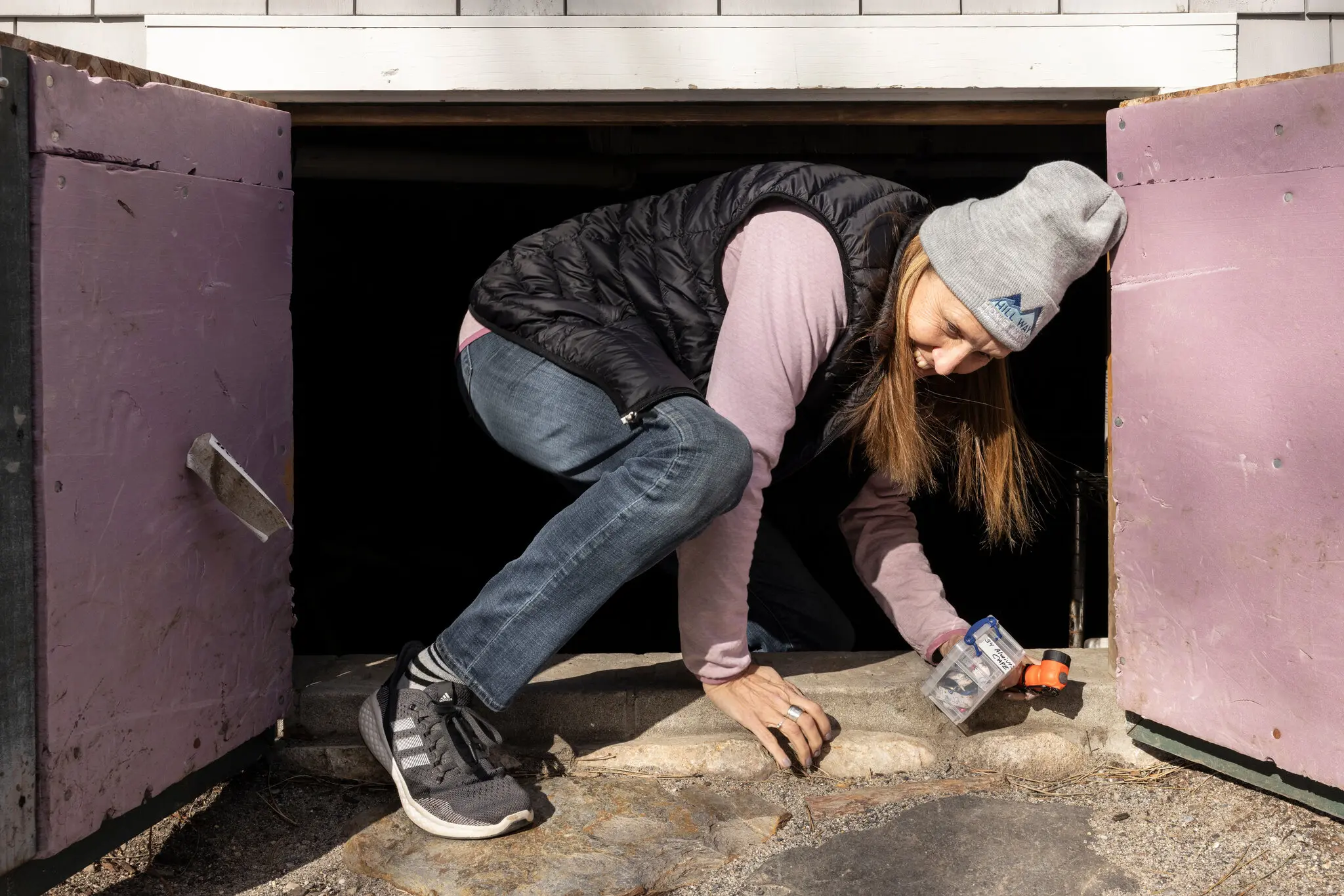
The job title is sufficiently vague that home watchers spend considerable time explaining it. They are not caretakers, property managers, house sitters or D.I.Y. experts. Though Ms. Young has been known to tighten latches and fix screens for clients, “I have to draw the line,” she said. “I don’t do A to Z. I don’t pump out basements.”
In the 20 minutes she spends at each property, Ms. Young collects mail, checks the furnace, scans walls for mold, finds the source when there’s a funky odor, makes sure the snowplow guy is doing his job, flushes the toilets and turns on the faucets in the sinks, bathtubs and showers.

When they leave town, some owners “want to turn the thermostat down to the 40s, and I tell them they should keep it at least in the 50s, if not the 60s,” Ms. Young continued. “You need a buffer of warmth in case the furnace breaks down because if the temperature in the house drops enough, the pipes can freeze.”
And a home watcher is not to be confused with a licensed building inspector. “You’re looking for obvious issues,” said Chris Long, 63, a Mohegan Lake, N.Y.-based home watcher (though he prefers the term “home watch professional”) and a former plumber.
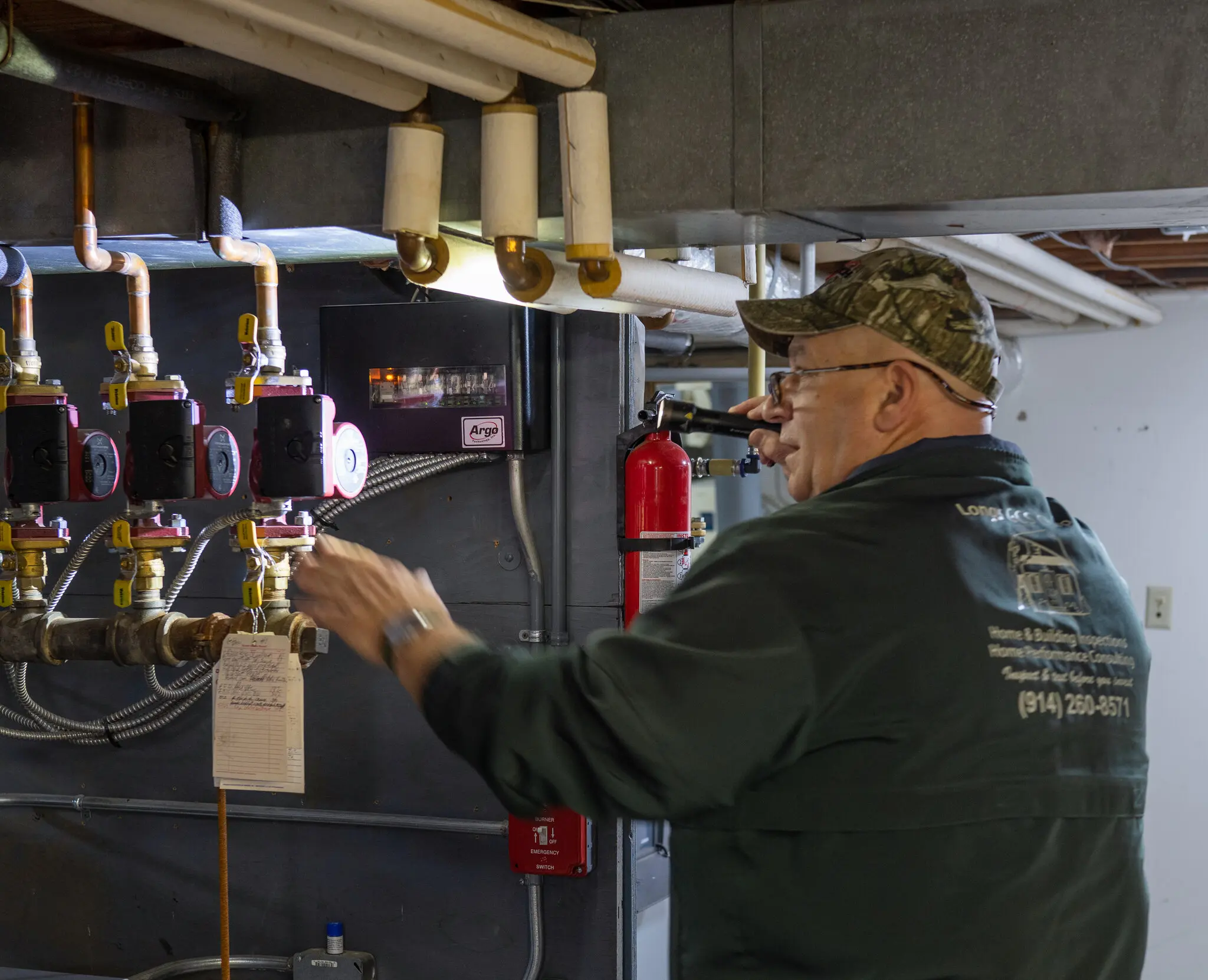
Mr. Long, like Ms. Young, furnishes clients with a post-check report accompanied by photos. “People love to see pictures of their house,” Ms. Young said.
If there’s a problem, clients hear it fast. “I phone the homeowner and say, “This isn’t going to be a good news phone call”, she said.
“I’ve had a lot of furnaces go down,” Ms. Young continued. “Two winters ago, I went to a house, and the glass had shattered on the all-season sun porch. At first I thought it was an intruder, but then I saw the glass had broken from the inside.” (It turned out the glass was faulty.)
Cameras, remote temperature monitors and systems like Google Nest are all well and good, but they give people a false sense of security, said Jack Luber, the founder and executive director of the National Home Watch Association, a 15-year-old, 600-member organization that provides training, resources and accreditation to people who want to work in the field. (But so far, it’s an unregulated industry. Would-be home watchers don’t need to demonstrate mastery of specific skills, submit to a background check or flash a certificate before they can get a client’s house key or passcode.)
Sensors may alert you to a problem, Mr. Luber said, “but if you’re in New York and the house is in Naples, Fla., what are you going to do about it?” And, he added, “what happens to all those devices when the electricity goes out or batteries die?” Then there’s the fact that video cameras don’t have a sense of smell.
The tools of the trade, according to Mr. Luber, include a high-power flashlight, a hygrometer (for checking relative humidity), a stepladder, a carbon monoxide detector, wasp and insect spray, a fire extinguisher, booties (to avoid tracking dirt into a client’s house), trash bags (for disposing of mouse droppings and dead mice) and masks.
Some home watchers also come equipped with an assortment of lightbulbs and batteries.
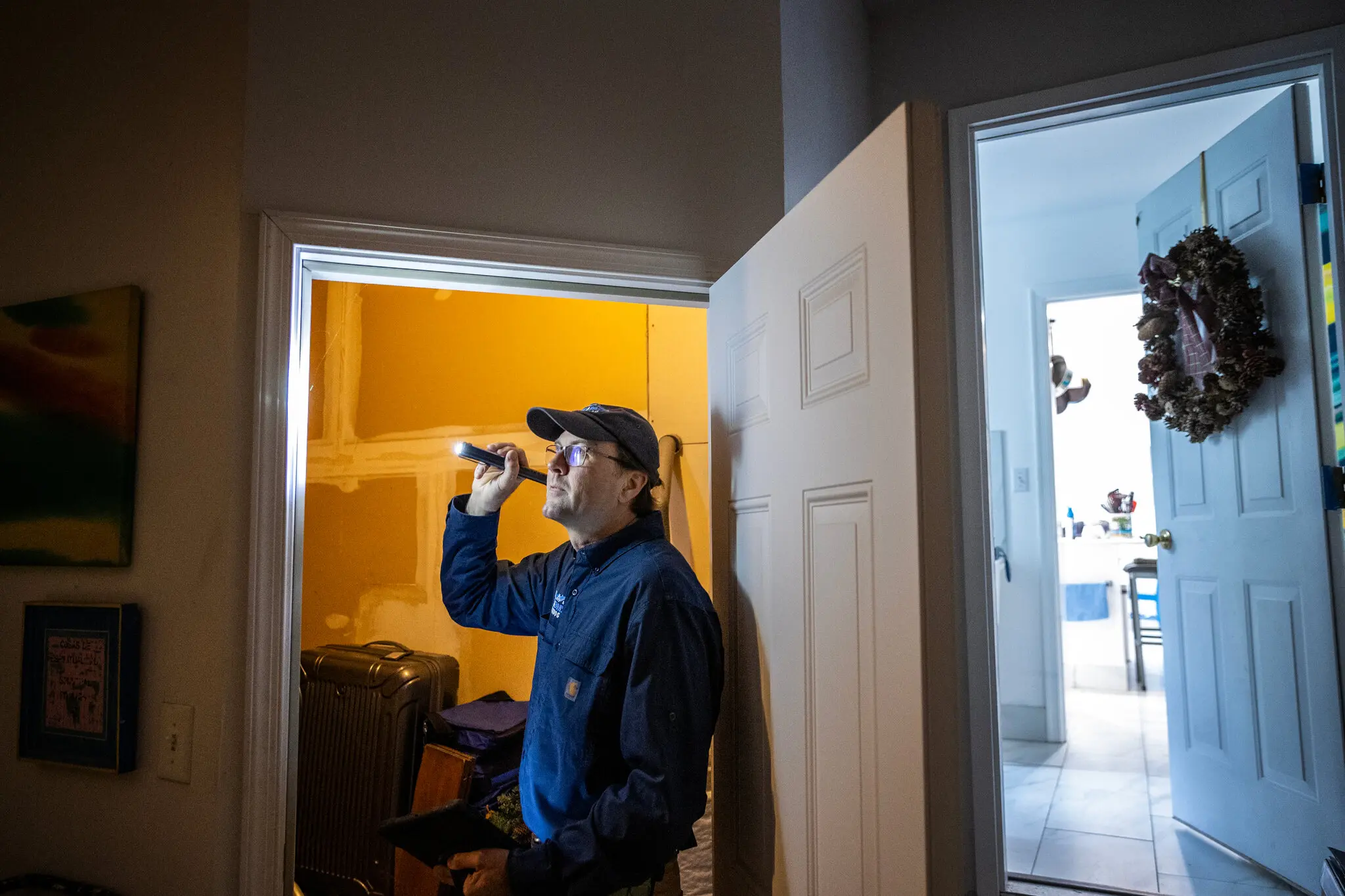
Mr. Koster estimates that it takes at least half an hour to get through the two-dozen-plus items on his checklist. He scans roofs for missing shingles; the HVAC system for leaves and ice; walls, from floor to ceiling, for leaks and mold. He also photographs envelopes that appear to contain bills and sends the pictures to the clients for direction. On one notable occasion, he encountered a squatter at the house of a client. “After I confirmed with the owner that no one was supposed to be there, I called the police,” said Mr. Koster, whose fees, based on house size, range from $100 to $300 for a weekly visit.
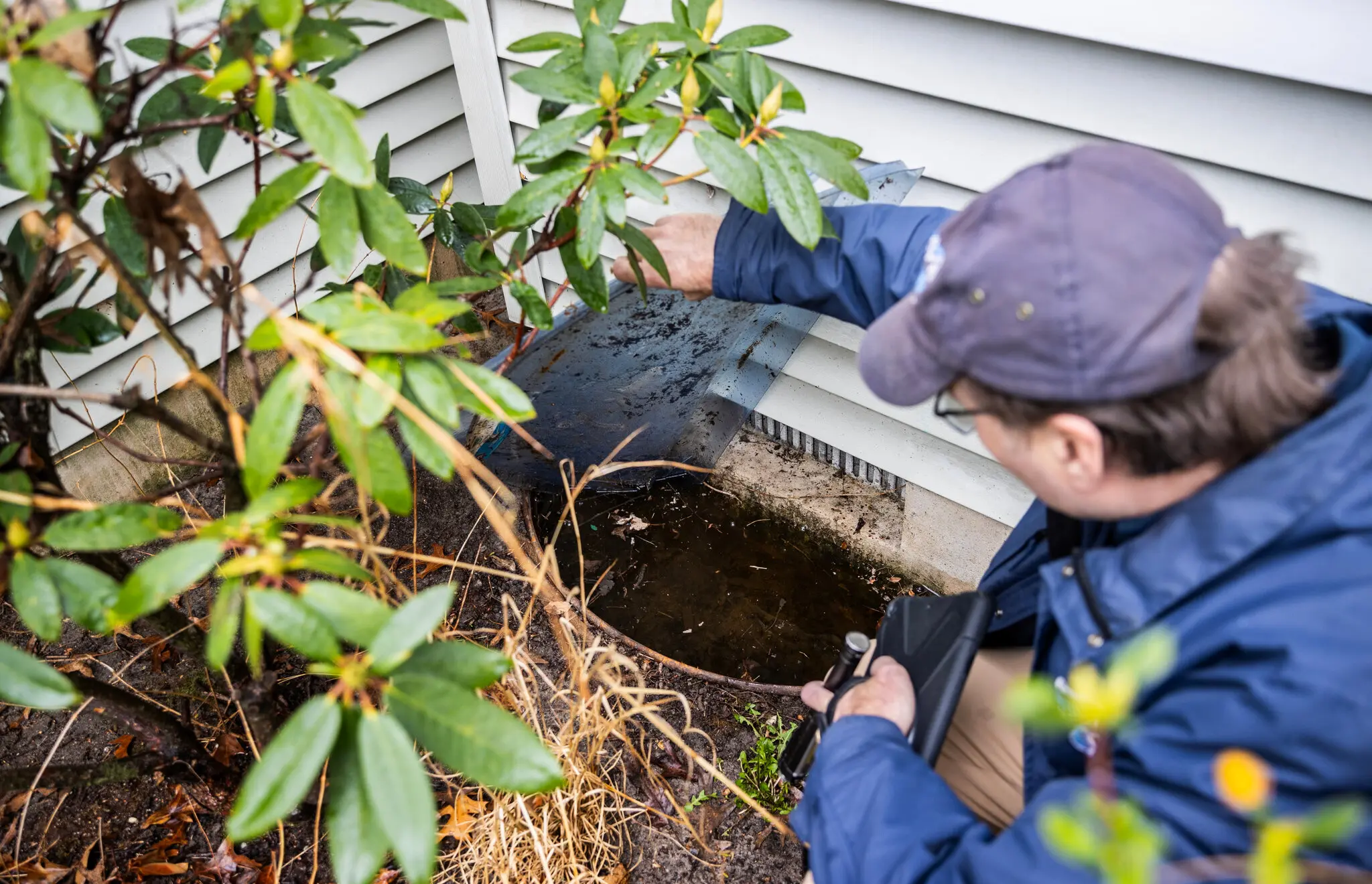
The concierge offerings are just a sideline, of course. Job 1 is keeping a steady eye on the house. “Anything can happen in an hour, let alone a month,” Mr. Luber said. “But if there’s a water leak or mold or a pest infestation, we’re going to see it.”
“There might be an insurance claim,” he added. “Hopefully it will be a lot less because we caught the problem at an early stage.”